
Should teachers write parent emails?
Synthetic affect in schools


My thinking
What is the communicative purpose of teacher-to-parent communications? Well for me it’s communicating an ethic of care, and as an extension of that care, a knowledge of the child (student) in question.
The purpose of teacher-to-parent communication:
show an ethic of care
show knowledge of the child (student)
So regardless of affect (emotion) used to encase that message - the goal is simple:
I care about your kiddo
I know your kiddo
This also extends to report comments, phone conversations, discussions at open days (and whatever events serve this purpose).
This was my vision as a teacher, and I agree with this vision now as a parent.
So, turning to the AI tool trialed in the below paper, Magic school AI, using the same prompt as them, which admittedly is a simple prompt.
Prompt:
“Write an email to a parent expressing anger about their child’s disruptive behavior in class”
The result is:
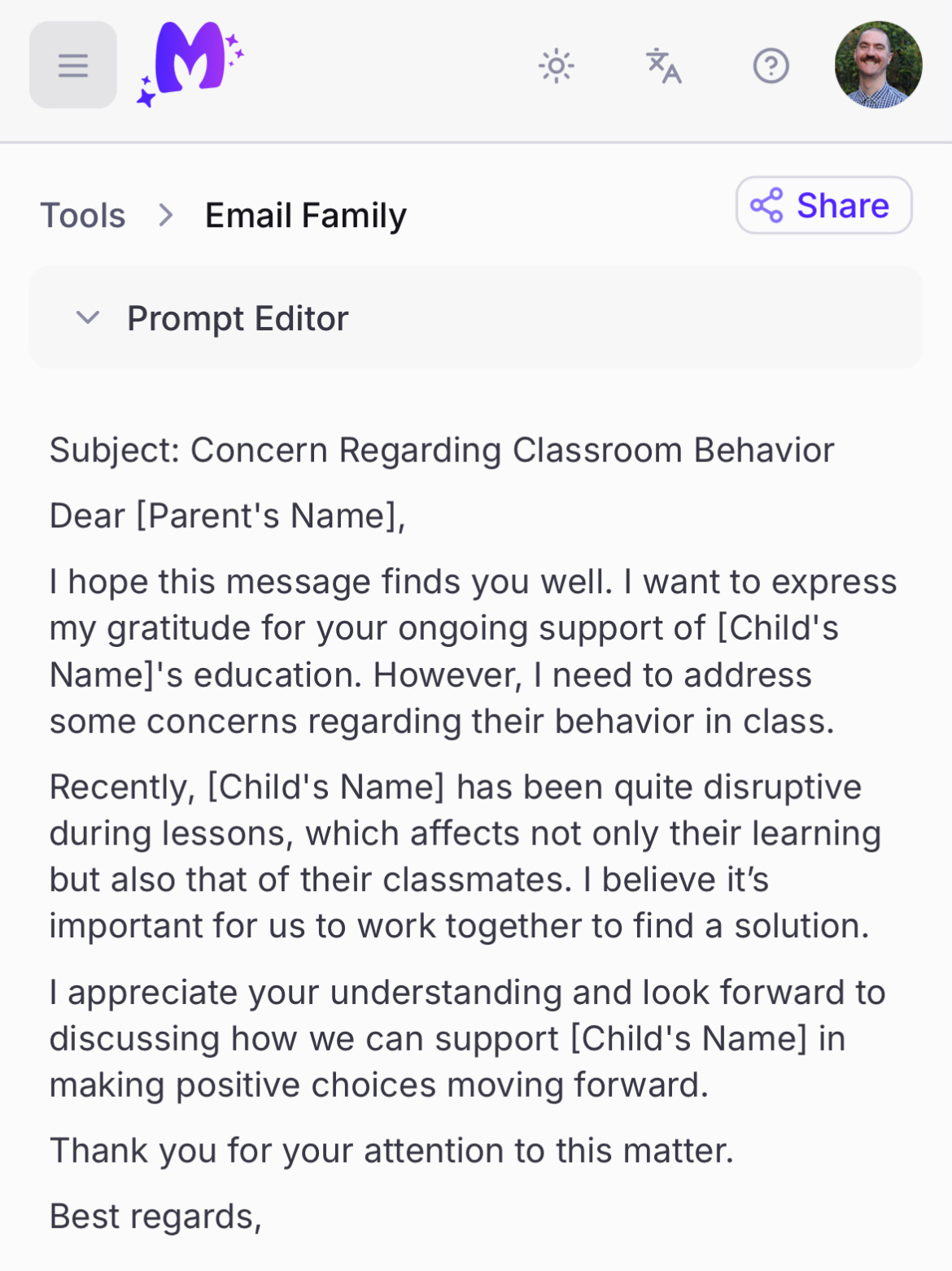
Note, that this output completely flattens and removes all affect - but more to the point, it doesn’t meet my two criteria outlined for the very purpose of parent communications:
no sense of care
no knowledge of student shown
The paper
Firstly, If you don’t have time to read the paper, then listen to this:
But the paper asks the tool to produce six different emotions in the format presented above,
Then they explore this through politeness theory:
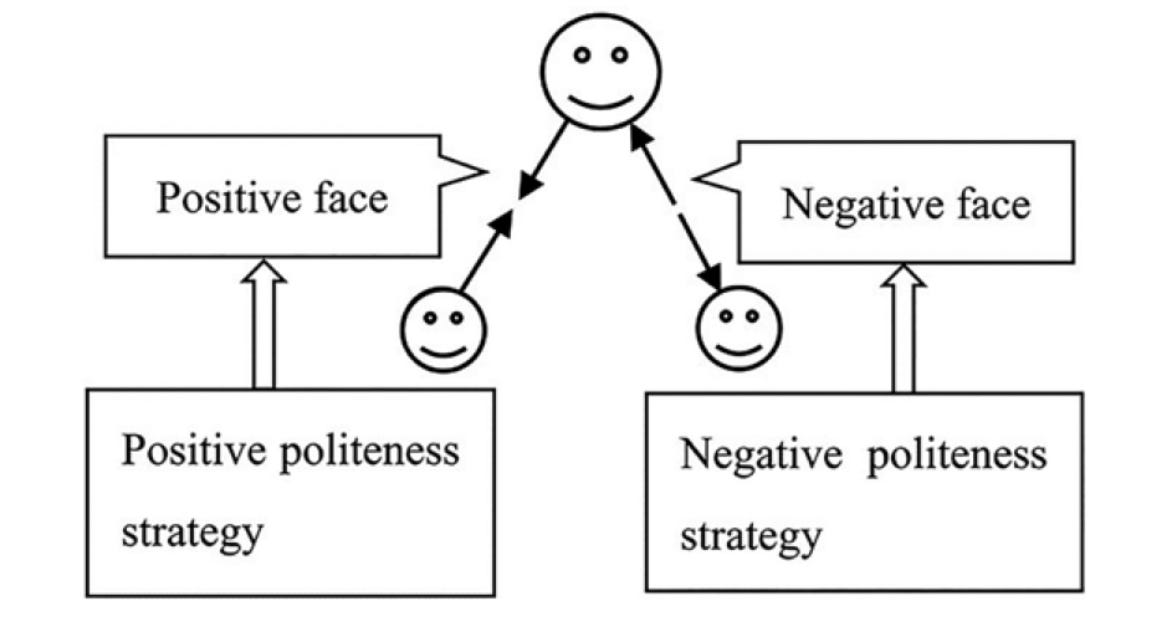
Which is simplified significantly above, and I used to teach English language students about this theory, so it’s close to my heart!
But what they note is the way that this tool takes the soul out of these communications and instead produces a smooth, “professional” and frankly soulless communication in its place.
Now it’s easy to say this isn’t of any use, but it sure gets rid of some teacher work.
AND it sure defends against any threat of litigation, because who could read the boring output, let alone actually be offended by it.
And then zooming it:
They note, a projected future, as a “broader transformation in educational practice, where even the most intimate aspects of teaching - expressions of care, concern, or correction - become subject to the platform logics of efficiency and scale.” (Robinson & Leander, 2025; p.12).
Which ain’t a great, nor a sustainable vision for the future of the teaching profession.
They note that, “… the forms of affective governance we observed through our audit point to an emerging sociotechnical arrangement in which platforms increasingly position themselves as essential mediators of educational relationships, despite lacking the situated knowledge and relational sensitivities that make such relationships meaningful.” (Robinson & Leander, 2025; p.12).
So they intent is there, but still we’re watching platforms trying to solve a problem that we don’t really have.
References
Robinson, B., & Leander, K. (2025). ‘I hope this email finds you well’: how synthetic affect circulates through MagicSchool AI. Learning, Media and Technology, 1–13. https://doi.org/10.1080/17439884.2025.2527920
Running Word Count (the third 100,000): 123,821
Food for thought! Clear relevance to APST 7.3 Engage with the parents/carers.